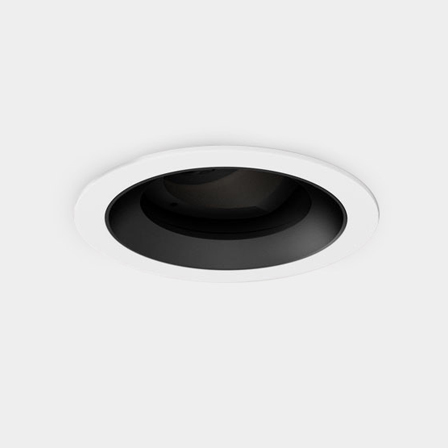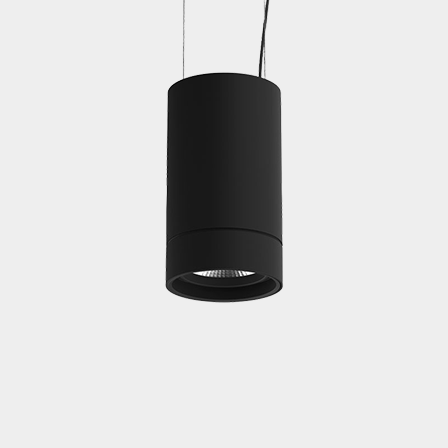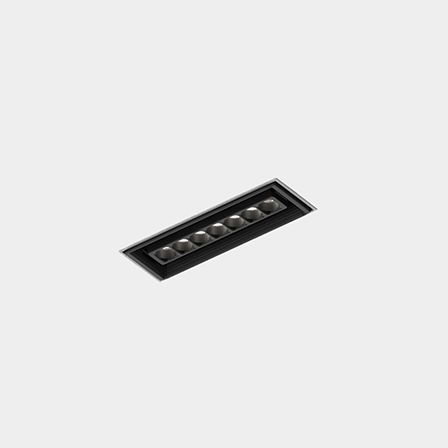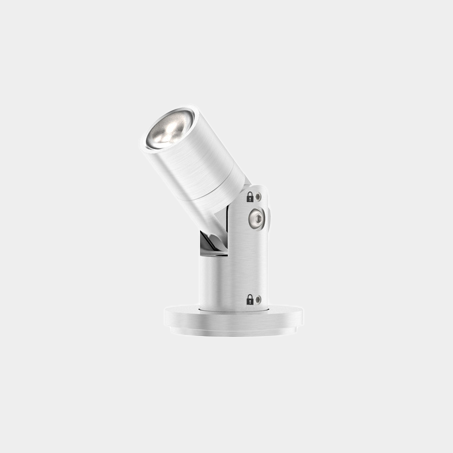
At Luminii, we believe that performance lighting and responsible design go hand in hand. Sustainability is not an afterthought, it is embedded in how we engineer our products, document their performance, and support specifiers and project teams in meeting the most rigorous regulatory and environmental benchmarks.
From transparent compliance data published directly on our specification sheets to embodied carbon figures, our approach gives architects, engineers, and sustainability consultants the information they need, without the need to ask for it.
Navigate BAA and BABA compliance with confidence. BABA plays a key role in federally funded projects by prioritizing American-made materials and strengthening domestic supply chains. Luminii’s resource page brings together American-made lighting solutions, clear product identification, and supporting documentation—helping you streamline specifications for federally funded and infrastructure projects
Declare labels play a critical role in today’s projects by providing clear, third-party–verified insight into product ingredients and supporting healthier, more sustainable building decisions. Luminii’s Declare resource page brings together compliant lighting solutions, transparent product documentation, and the tools you need to specify with clarity.
California’s Title 24 JA8 standard sets a high bar for lighting quality, emphasizing color consistency, dimming performance, and low flicker alongside energy efficiency. Luminii designs with these requirements in mind—developing solutions that align with JA8 principles to support better visual comfort and performance. By prioritizing quality of light as much as efficiency, we help ensure readiness for California projects and beyond.
The UK’s Building Regulations Approved Document L sets out the energy efficiency requirements for new and existing buildings, with lighting efficiency targets that directly affect luminaire and light source selection. Luminii supports compliance across all applicable building types. All Luminii specification sheets include the efficacy figures and circuit wattages required to assess Part L compliance at the point of specification.
Our HE light engine has been developed specifically to meet and exceed the efficacy thresholds required under Approved Document L. Available across our Minimo downlight and Solo ranges, the HE light engine delivers:
CIBSE TM65 provides a standardised methodology for calculating the embodied carbon of building services equipment, a critical metric as the industry shifts focus from operational to whole-life carbon accounting. With Scope 1 and 2 operational emissions increasingly well managed, embodied carbon in materials and manufacturing has become a primary area of focus for net zero projects.
Luminii has calculated TM65 embodied carbon values across our product range. These figures are published on our datasheets, expressed in kgCO₂e per luminaire, and calculated in accordance with the TM65 methodology.
CIBSE TM66 addresses circular economy principles as applied to luminaires, assessing how well a product is designed for longevity, repairability, component reuse, and end-of-life material recovery as well as wider business CSR. As clients and specifiers increasingly demand evidence of circular economy thinking, TM66 provides a consistent, comparable scoring framework. Luminii calculates TM66 circularity scores for products across our range and publishes these directly on our technical datasheets.
The TM66 assessment evaluates each product across several key dimensions. Product design considers the overall architecture, availability of components, and ease of repair. Manufacturing looks at production location, supply chain alignment, and corporate social responsibility practices. Materials focus on opportunities for component reuse, sustainable material selection, and proper polymer marking. The ecosystem dimension includes packaging, as well as options for refurbishment, upgrades, and warranty support.
Luminii continues to develop its product range with TM66 in mind. Where opportunities for improvement are identified—particularly through design changes—these are incorporated into our product development roadmap.
 Back to top
 Select Location